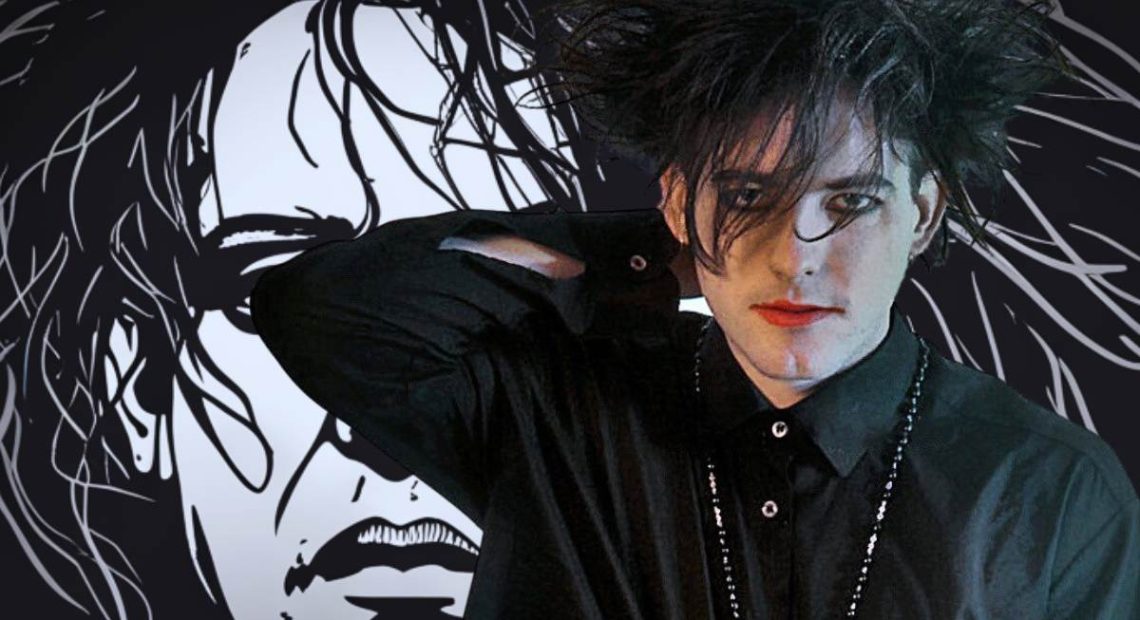

Punk's revolutionary spirit echoed through the veins of Robert Smith, imprinting The Cure with their distinctive sound
When it comes to iconic figures in the world of music, Robert Smith of The Cure is undoubtedly a name that stands out. With his distinctive appearance and hauntingly beautiful voice, Smith has captivated audiences for decades. But what many may not know is the profound influence that punk music had on him and his band. Punk helped shaped The Cure and moulded their unique sound.
As a young musician growing up in England, Robert Smith found himself drawn into the punk revolution that was sweeping across the UK at the time. He was drawn to the raw energy and stripped-down sound of bands like The Stranglers, The Sex Pistols and Buzzcocks.
“I grew up listening to the Beatles and the Rolling Stones and Pink Floyd, ’cause that was what got played in the house but 1977 changed me … it was the best summer of my life. I remember listening to ‘Anarchy’ for the very first time at a party and thinking “this is it!” You knew straight away, you either loved it or hated it, and it polarised an entire nation for that summer. I saw Buzzcocks at The Electric Circus, I loved them and I felt I found my generation’s music,” Smith told Rolling Stone.
"1977 changed me ... it was the best summer of my life... I saw Buzzcocks at The Electric Circus, I loved them and I felt I found my generation’s music,"
Robert Smith, The Cure Tweet
Smith says that The Stranglers’ fusion of punk, prog-rock, and key melodies intrigued him. Their unique sound and provocative nature appealed to him, and he saw in them a pathway to his own musical expression.In a 1996 interview with Guitar World, Robert Smith praised their ability to challenge conventions and create music that went beyond the confines of punk. “I mean, I really liked The Sex Pistols. They were brilliant at parties. And The Clash were awesome live. But The Stranglers were just incredible,” Smith stated.
His affinity for The Stranglers sheds light on the profound impact they had on his musical journey and the subsequent success of The Cure. The Stranglers’ unconventional approach to punk and willingness to experiment with different genres resonated with Smith and set the stage for The Cure’s musical evolution.
"I mean, I really liked The Sex Pistols. They were brilliant at parties. And The Clash were awesome live. But The Stranglers were just incredible."
Robert Smith, The Cure Tweet
“It was the attitude that we adopted, and we were part of. We were never fashionably punk, and that was what was wrong with punk: It had a uniform. I mean, I hate those new fashions in music which there’s always something like ‘You have to wear a certain outfit to be part of it.”
1977 was certainly a transformative year for Smith, and he became enamoured with the power and intensity of live music – and the stage is where Smith says he really feels alive.
“When you’re on stage the real world just drops away for that time. it’s pretty intense. Also you don’t really know a song until you’ve played it live.”
Another band that played a pivotal role in Robert Smith’s musical journey was Siouxsie and the Banshees – a band he eventually join.
“I love the Buzzcocks and I love Siouxsie and the Banshees,”Smith says, “and I had this plan to be in a band that combined the two of them in terms of style and music.”
As the punk movement began to evolve, so did The Cure. They embraced a post-punk sound that incorporated elements of new wave, gothic rock, and synth-pop.
This evolution allowed them to explore more complex arrangements and broaden their instrumental scope. During the late 1970s and early 1980s, The Cure released a series of albums that showcased their musical growth. Songs like ‘A Forest’ and ‘Charlotte Sometimes’ captured the dark and introspective nature of post-punk, while tracks like ‘Just Like Heaven’ showcased their ability to write infectious pop melodies.
Even as The Cure’s sound continued to evolve over the years, the influence of punk remained ingrained in their music. The raw energy and rebellious spirit that characterised the genre can be heard in their early albums and can still be felt in their live performances today.
The Cure’s ability to seamlessly blend elements of punk, post-punk, and various other genres is a testament to their musical prowess. Their unique sound has captivated audiences around the world, making them one of the most influential bands of their time.
The Cure’s journey from punk enthusiasts to iconic musicians is a testament to the power of musical evolution. The punk influences that shaped their sound laid the foundation for their success and allowed them to carve their own path in the music industry.
Robert Smith’s love for punk and his willingness to embrace its rebellious spirit has undoubtedly played a significant role in The Cure’s enduring popularity and the indelible mark they have left on the world of music.
Need more Punk In Your Life?

Album review: John Coffey – ‘Not Alone’
Many bands play punk rock – only a small percentage of those bands live it. Dutch quintet John Coffey are firmly in the latter camp,
Live review: The Circles, Proper & Dead Star Boys, London 26/9/26
Tonight, as every Saturday, there are many gigs happening in and around London. However, it’s not often that the capital gets a visit from an

Slam Dunk Festival reveals first wave of bands for 2027!
Slam Dunk, the UK’s biggest independent rock festival, is back for 2027 and today unveils its first wave of artists. Hot on the heels of

Album review: Bombstrap – ‘Big Enemy’
Hard times create hard music, and with the state of the world as it is right now, there is plenty of fertile breeding ground for


Album Review: Veteran Punk supergroup Pressure Set unleash their debut LP
Pressure Set – a Transatlantic collab of unexpected origin lets loose on their self-titled debut. In 2024, Colorado-based SPELLS drummer Rob Burleson met guitarist Dom
Album review: Bar Stool Preachers invite you to ‘Party Eternal’ on their 4th LP!
Bar Stool Preachers’ fourth album ‘Party Eternal’ sees the band head into bolder, more dynamically varied musical territory than ever before. At times scathing and

Elspet McIntyre is an avid music writer and historian exploring the rich tapestry of diverse musical genres. With a particular passion for punk, she combines her love for music and history to deliver captivating insights and stories to readers.


Did you know that we are 100% DIY? We run our own game. No one dictates to us, and no one drives what we can or cannot put on our pages – and this is how we plan to continue!